UAVs & Loitering Munitions
Small unmanned aircraft rely on GPS and control links that are highly vulnerable to jamming. Grale GPS helps preserve navigation accuracy and mission continuity without compromising size, weight, or power constraints.
Unmanned systems are moving from remote-controlled tools to networked, autonomous assets. UAVs, UGVs, USVs, and loitering munitions increasingly depend on GPS, wireless control links, onboard sensing, and inter-platform coordination. As these platforms scale, they become harder to defend: every navigation signal, command link, and telemetry channel becomes a potential point of failure.
Jamming and interference can blind, misdirect, or isolate autonomous systems long before kinetic effects are needed. In contested environments, signal resilience is what determines whether autonomy remains operational or becomes a liability.
Learn More →

Autonomous Threats
Archaius Protection
Mission Applications
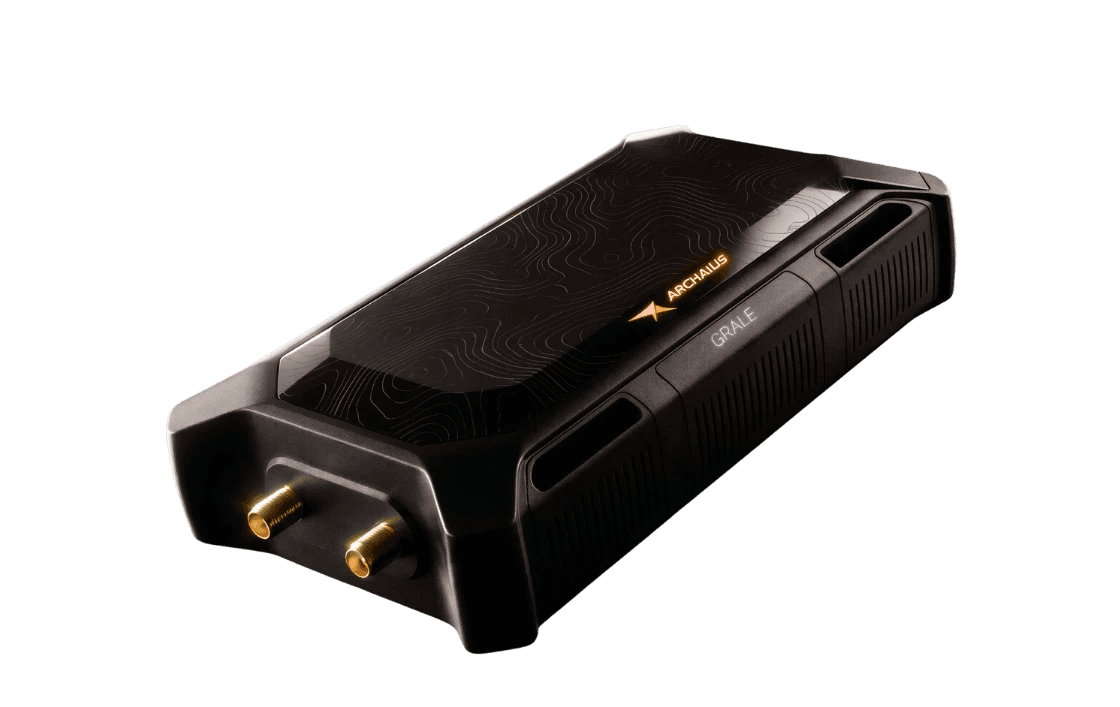
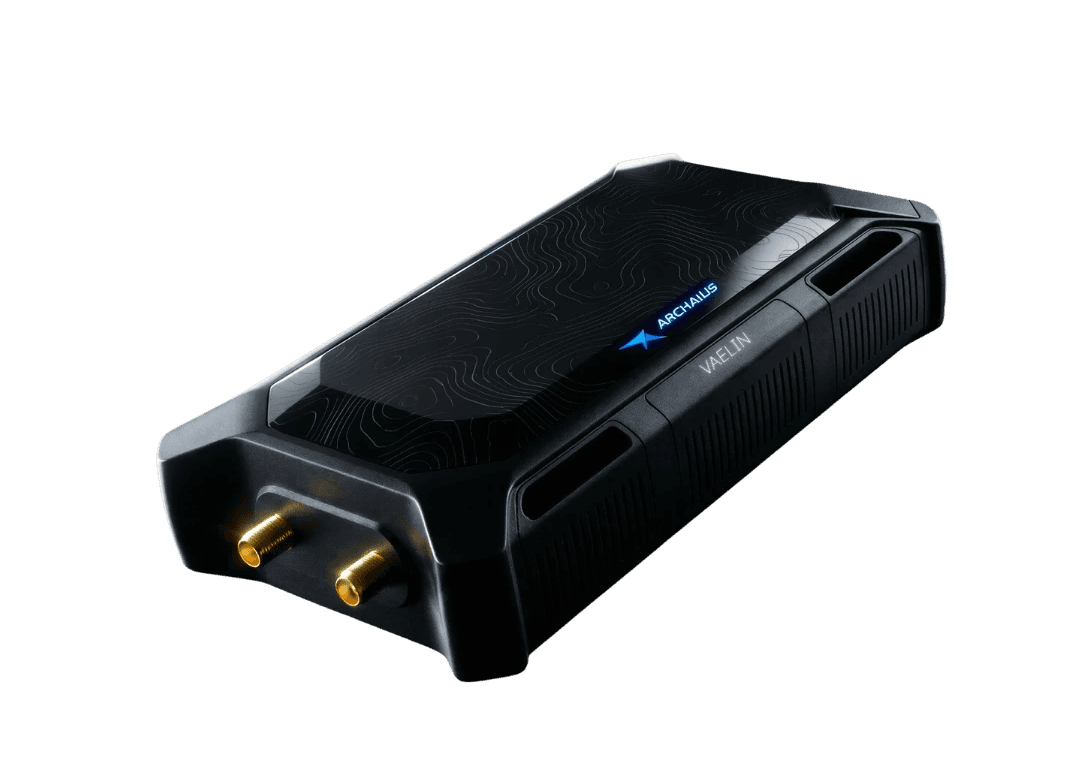
Archaius delivers signal resilience for autonomous and semi-autonomous platforms operating in contested spectrum. Grale protects GPS and communications links without adding large, power-hungry hardware. Our SEPA algorithm suppresses interference at the signal level, allowing platforms to maintain navigation, control, and coordination when the RF environment is degraded.


Small unmanned aircraft rely on GPS and control links that are highly vulnerable to jamming. Grale GPS helps preserve navigation accuracy and mission continuity without compromising size, weight, or power constraints.
Ground robots operating in swarms or remote formations depend on reliable RF coordination. Grale protects command, telemetry, and positioning links across degraded RF environments.
Autonomous vessels operate across wide areas where GPS interference can disrupt navigation and control. TALON detects and geolocates jamming sources, helping operators understand and respond to spectrum threats in real time.